Pilih bahasa

Vibration management is a fundamental requirement in almost every modern mechanical system,from rapid mass transit networks to high-density data server enclosures.However,in enclosed,high-risk,or heavily regulated environments,a standard elastomeric damper is insufficient if it introduces a secondary fire hazard.
The root cause of major system failures often lies in these smSemua,overlooked rubber components.Traditional flame-retardant elastomers typicSemuay rely on halogenated compounds(such as bromine or chlorine)to meet basic fire safety codes.Yet,when exposed to extreme thermal stress or electrical faults,these traditional materials combust to release dense,highly toxic,and corrosive gases like hydrogen chloride or hydrogen bromide.In enclosed industrial infrastructures,these acidic byProduk are lethal to human operators and cause catastrophic,irreversible chemical corrosion to surrounding electronic circuit boards and metal structures.
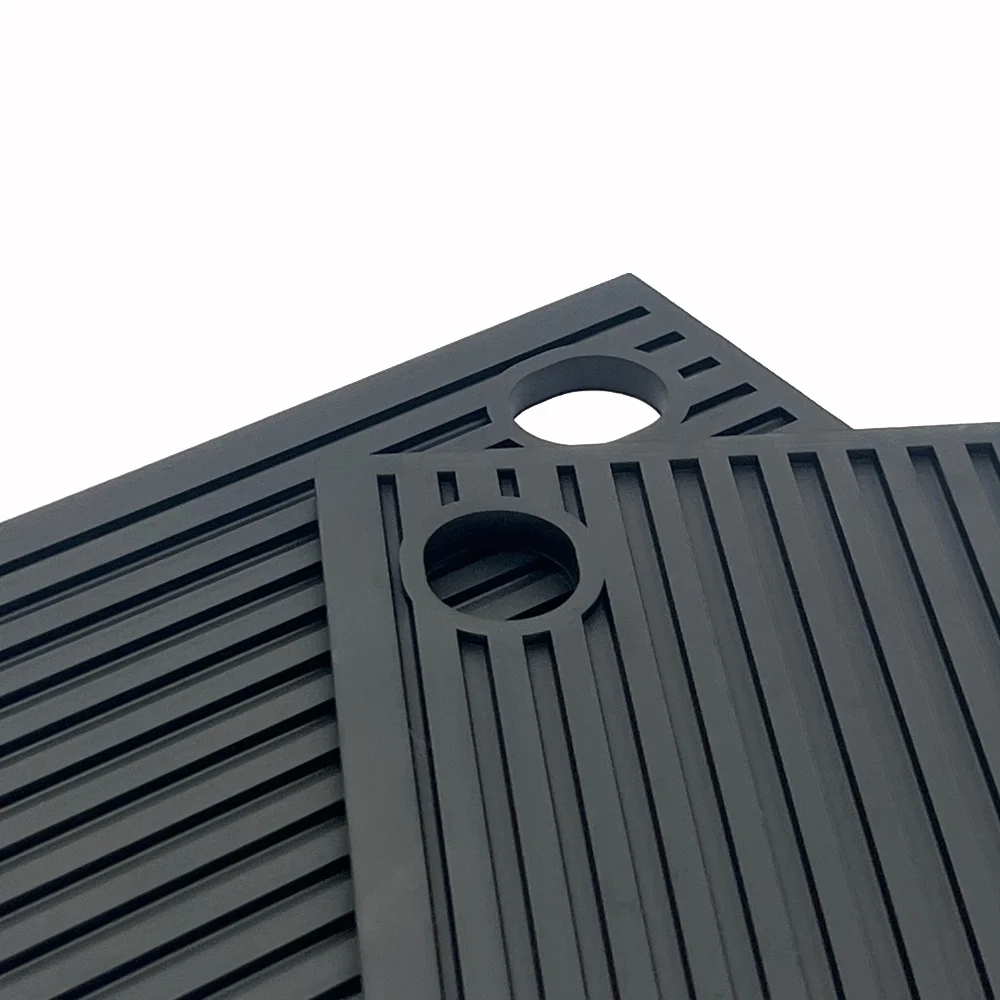
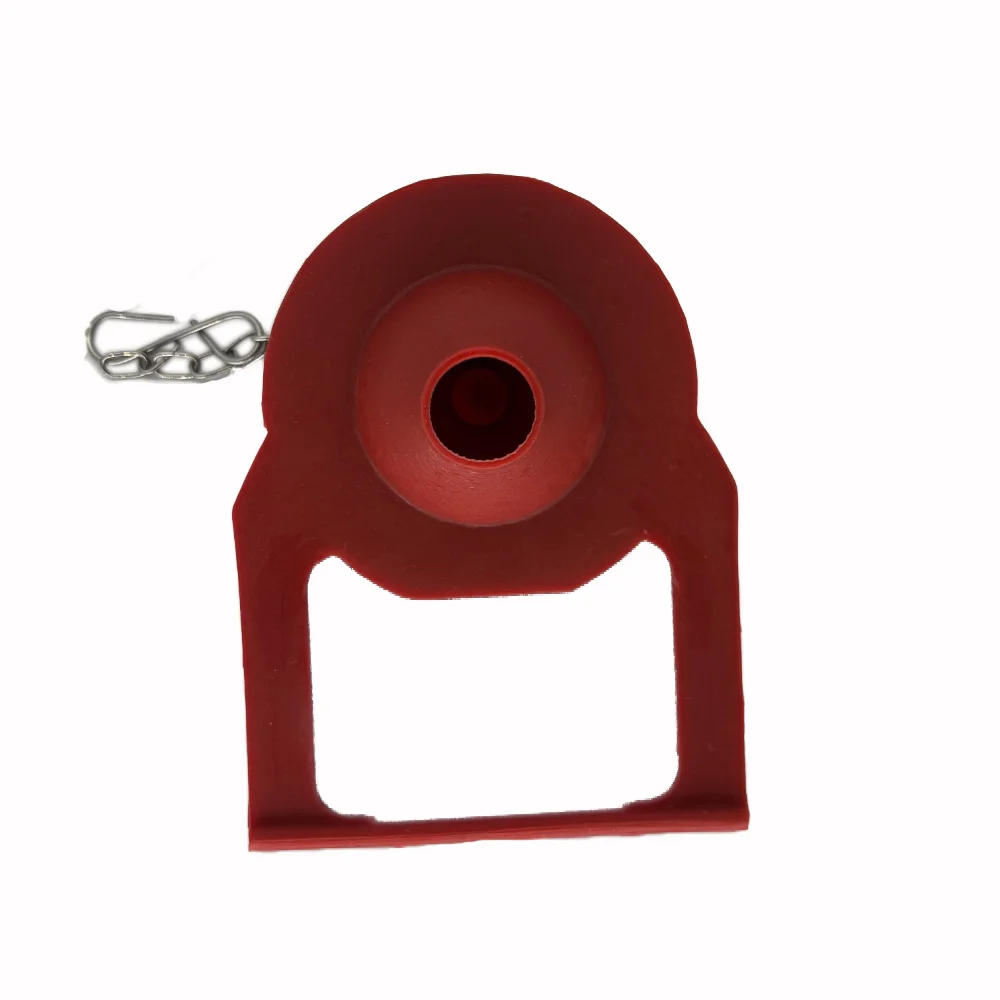
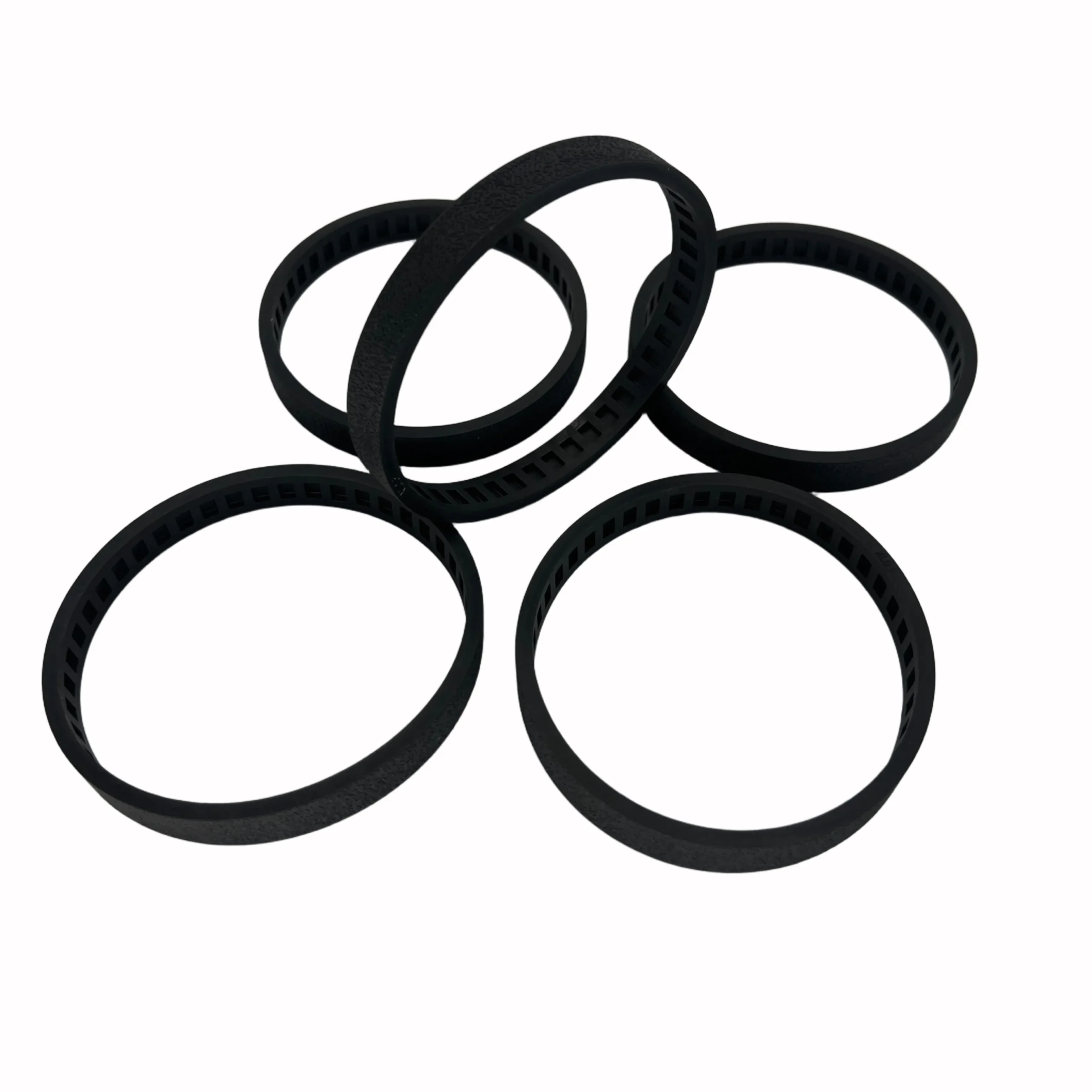
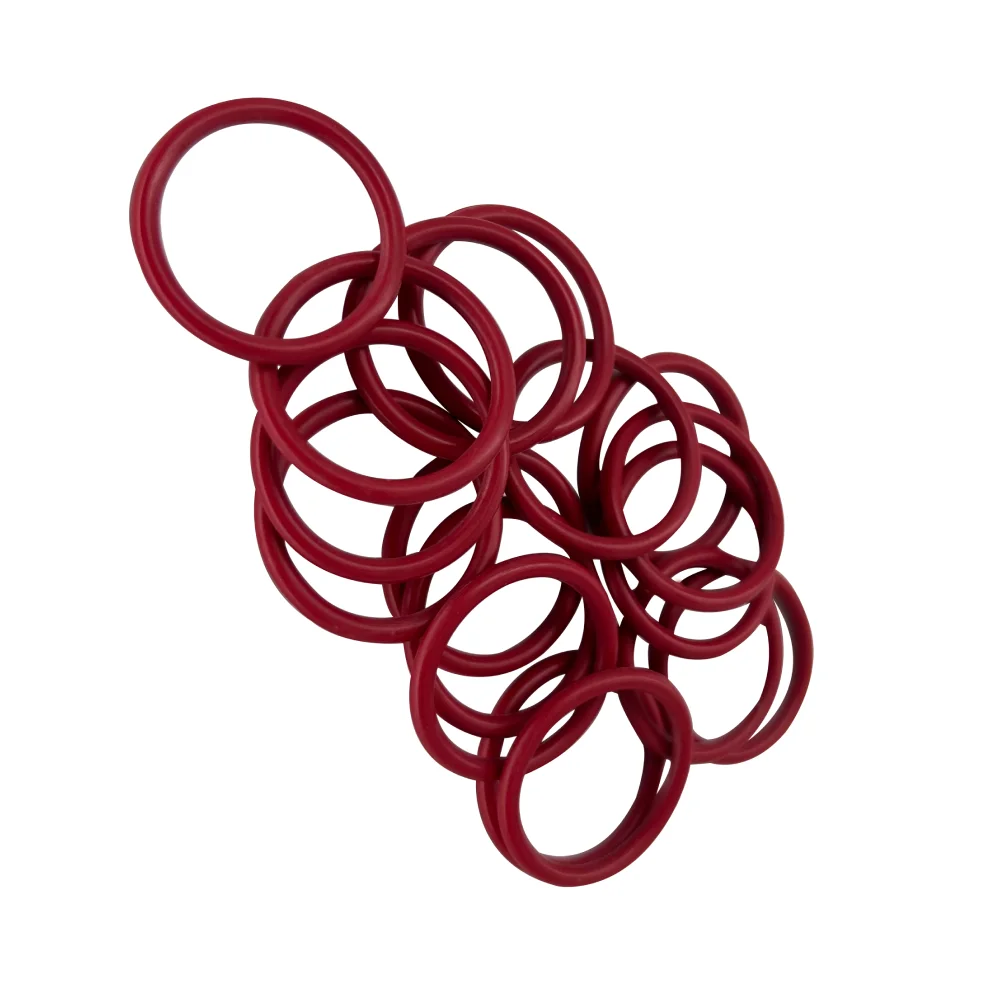
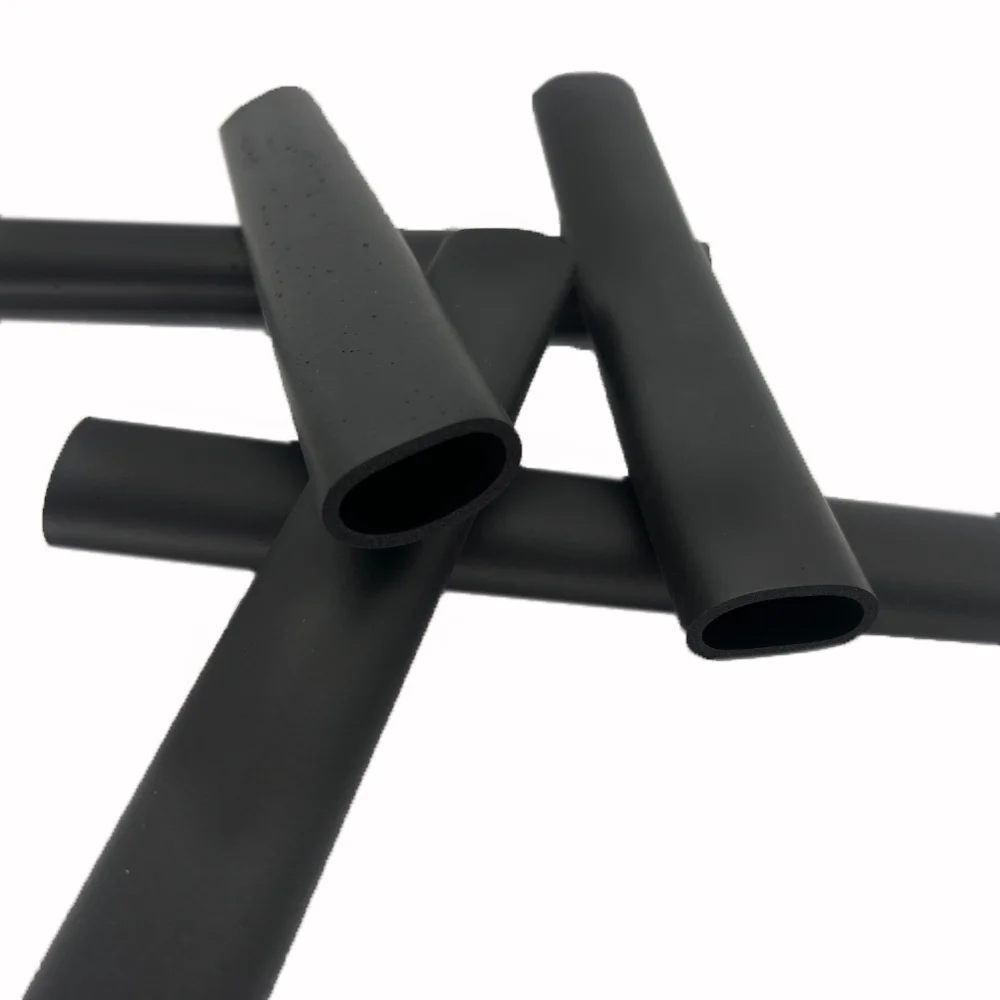
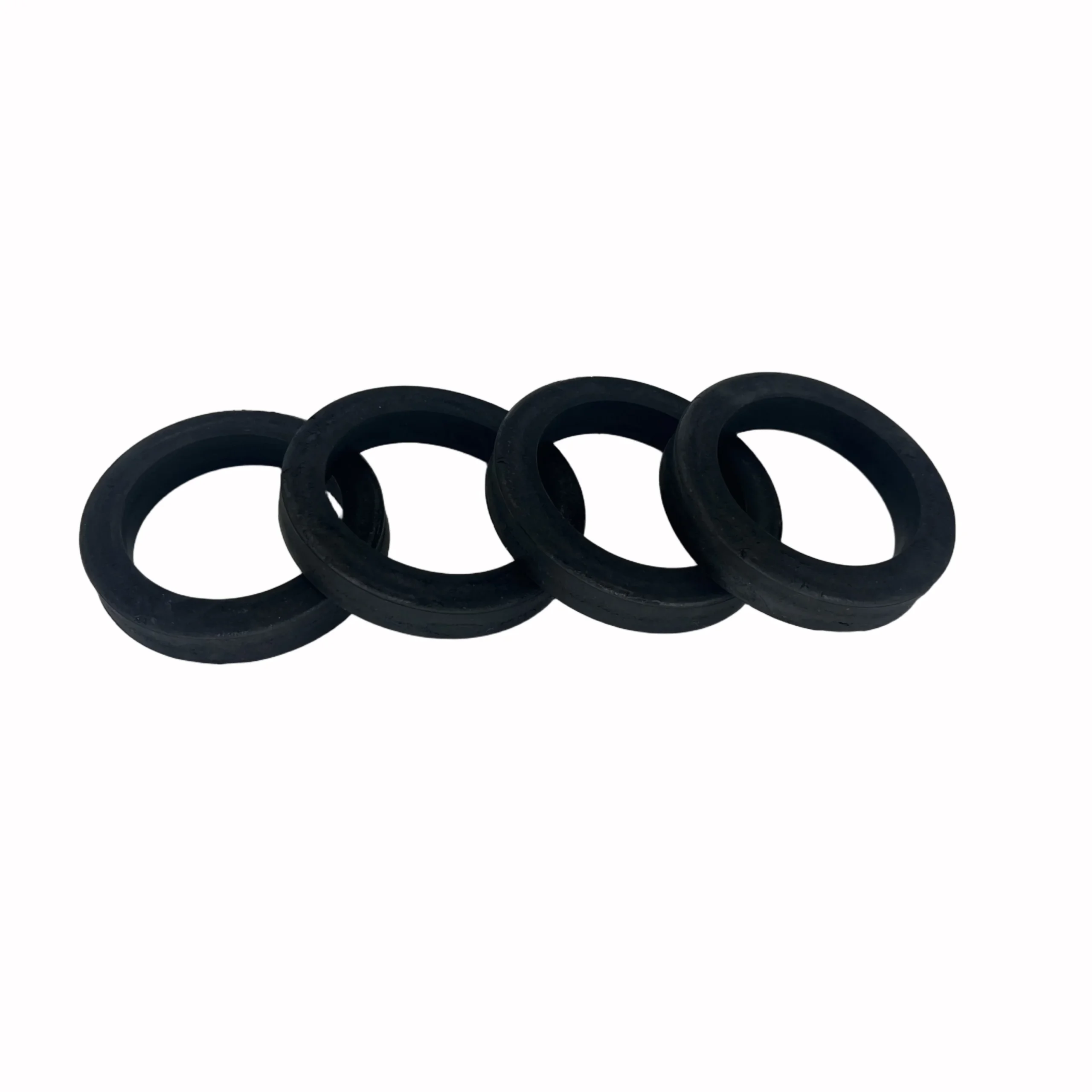
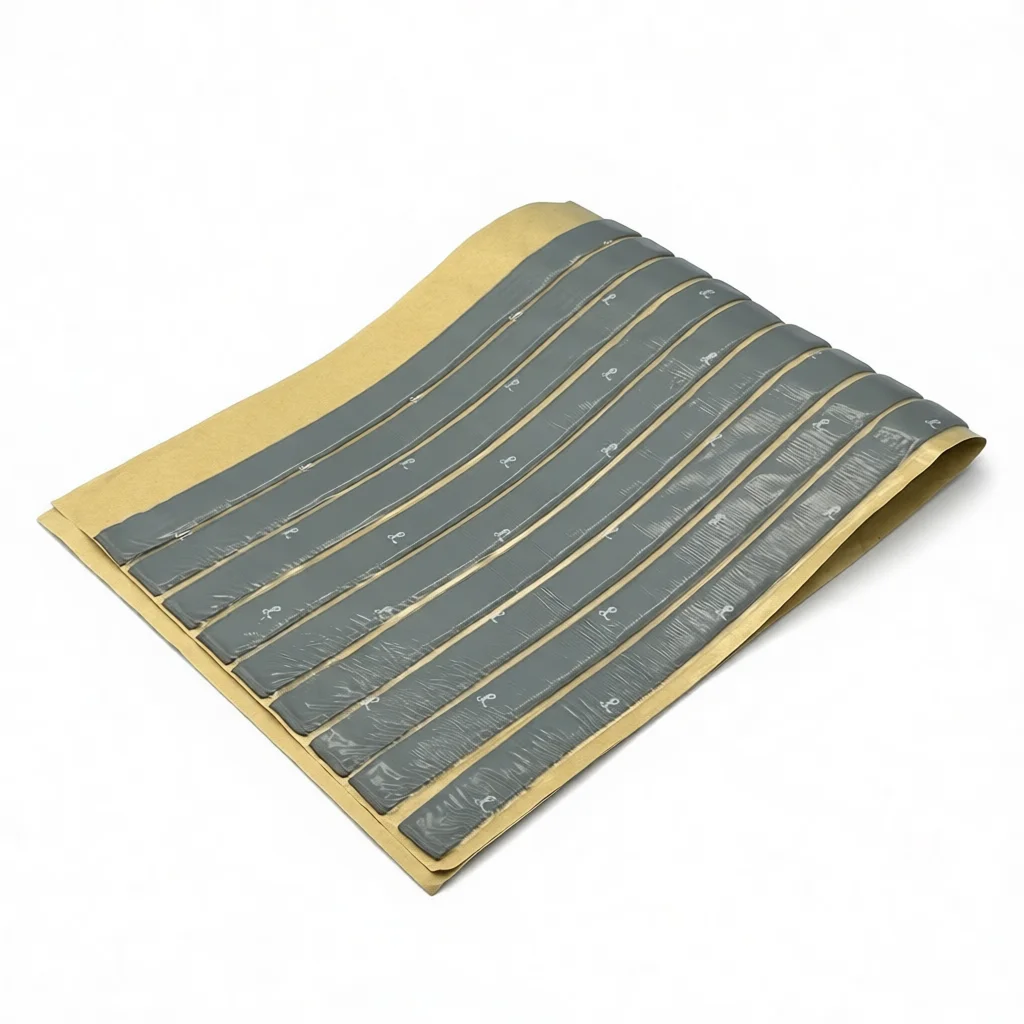
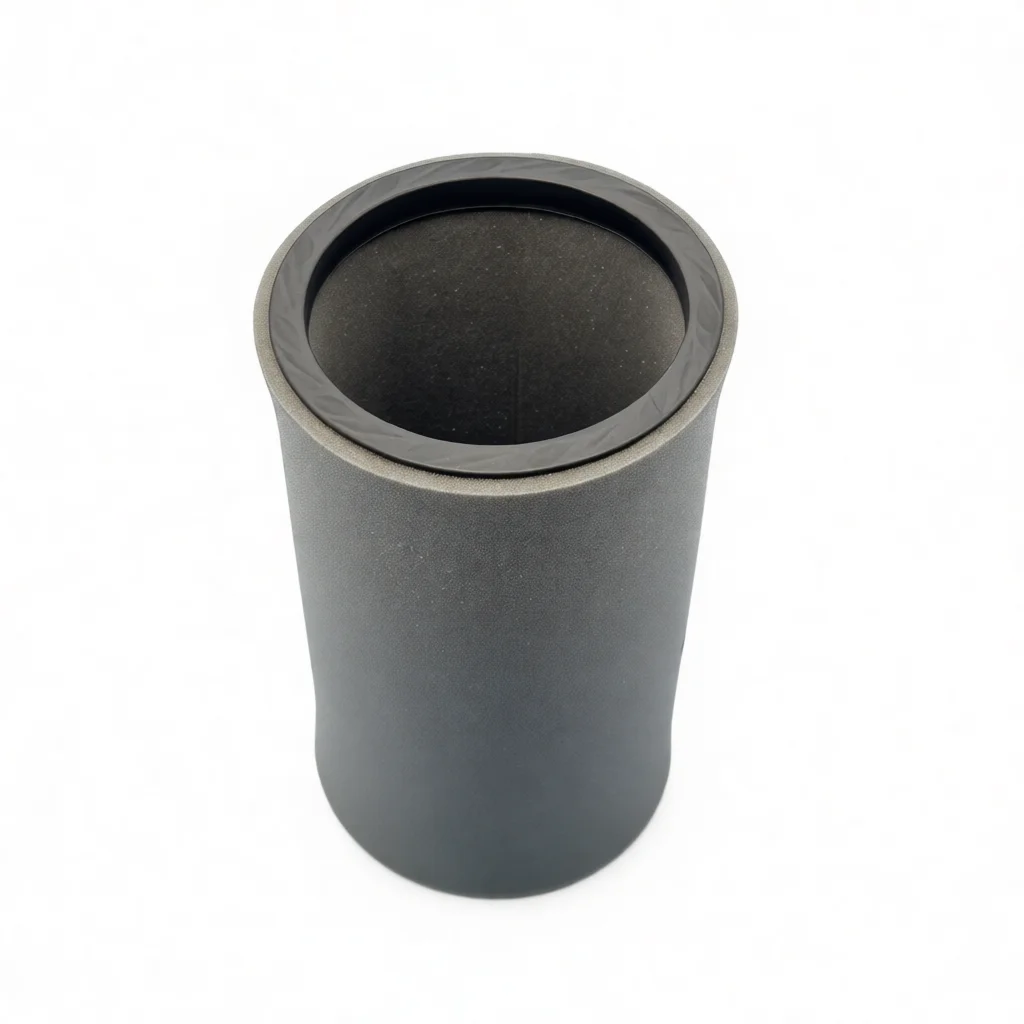
Modern engineering requires a single component capable of executing two contradictory tasks:absorbing dynamic kinetic energy while remaining compleTely non-toxic and fire-safe under extreme heat.To bridge this critical gap,Guangdong Sunlite Science&Technology Co.,Ltd.custom-engineers the Halogen-Free Flame-Retardant Vibration Damper—positioning your systems at the intersection of high mechanical efficiency and unconditional structural safety.
Technical Breakdown:Molecular Engineering for Fire and Resonance Control
To eliminate toxic off-gassing,Sunlite replaces traditional halogen-antimony synergistic systems with advanced phosphorus-based or inorganic mineral flame retardants,such as aluminum hydroxide and magnesium hydroxide.These elements are uniformly cross-linked within a premium synthetic elastomer matrix(typicSemuay specialized EPDM or high-purity silicone).
When a fire event occurs,these mineral MENAMBAHKANitives undergo an endothermic decomposition process.They absorb thermal energy from the environment and release pure,non-toxic water vapor to cool the substrate.Simultaneously,this reaction forms a highly stable intumescent char layer on the surface of the damper,acting as a robust physical barrier that starves the underlying polymer of oxygen and halts flame propagation.

MechanicSemuay,the damper relies on viscoelastic hysteresis—the internal molecular friction of the elastomer that converts damaging kinetic energy into low-grade,negligible heat.The performance efficiency of this dampening is measured by the material’s loss factor(tanδ).While traditional fire-retardant fillers often stiffen rubber and diminish its elasticity,Sunlite's proprietary vulcanization techniques ensure high flame retardancy without sacrificing the energy-dissipating performance of the polymer matrix.
Engineering Performance Matrix:Material Comparison
The structural and environmental superiority of our customized formulations is evident when compared directly to alternative market options across critical engineering thresholds:
Performance Attribute | Sunlite Halogen-Free FR Elastomer | Traditional Halogenated Rubber | Standard Non-FR Industrial Rubber |
Flammability Rating | UL 94 V-0(Self-extinguishes less than 10s) | UL 94 V-0 or V-1 | Flammable(No rating achieved) |
Smoke&Gas Toxicity | Low smoke,compleTely non-corrosive | Highly toxic,dense acidic gas emission | Heavy carbon soot,variable toxicity |
Loss Factor(tanδ@25°C) | High(0.25 to 0.45) | Moderate(0.15 to 0.30) | High(0.30 to 0.50) |
Compression Set(100°C for 22h) | Less than 15%(Long-term shape retention) | 25%to 35%(Prone to structural creep) | Less than 20%(Stable but highly flammable) |
Global Regulatory Compliance | Fully compliant with RoHS 2.0,REACH | Restricted or banned in major markets | Compliant,but restricted by strict fire codes |
Real-World Aplikasis:WDi Sini Failure Is Not An Option
Our halogen-free,fire-resistant damping components are deployed in environments wDi Sini human safety and high-value asset protection must coexist.
1.Rail Transit and Subway Bogie Assemblies
In underground subway networks,smoke inhalation is the primary cause of casualties during an emergency.Damping components placed near traction motors and suspension bogies endure millions of load-bearing cycles.Sunlite’s dampers isolate structural vibration to minimize cabin noise while satisfying strict international transit fire safety standards,ensuring zero toxic gas release if exposed to electrical arcing.
2.Electric Vehicle(EV)Battery Enclosures
Modern EV battery packs require exceptional isolation from road shock to Sebelumnyaent internal cell degradation.Because these enclosures house high-voltage architectures,every internal bracket and isolation mount must act as a firewSemua.Our dampers provide continuous vibrational isolation across an operating thermal envelope of-40°C to+150°C,acting as localized thermal and electrical isolators that inhibit thermal runaway cascade.
3.Data TENGAHs and Cleanroom HVAC Systems
High-capacity server environments are sensitive to low-frequency structural hums generated by massive cooling fan modules,which can cause hard-drive read errors and micro-fretting of connectors.Traditional halogenated rubber mounts pose a risk because a minor fire could release acidic vapor that instantly destroys millions of dollars of server hardware.Utilizing Sunlite’s non-corrosive,halogen-free dampers permanently mitigates this financial and structural risk.
Sering ditSetiapakan PertSetiapaan(FAQ)
1.How does a halogen-free damper achieve a strict UL 94 V-0 flammability rating?
Rather than relying on chemical halogens that choke flames by generating toxic gas,Sunlite uses advanced inorganic mineral systems(like aluminum or magnesium hydroxide).Upon thermal activation,these minerals absorb heat endothermicSemuay and form a durable,non-combustible carbon char layer that effectively starves the flame of fuel and oxygen.
2.Does MENAMBAHKANing flame-retardant fillers reduce the mechanical vibration-damping efficiency?
Standard MENAMBAHKANitive methods often compromise elastomer elasticity,but Sunlite utilizes a proprietary compounding process that optimizes polymer cross-linking.This maintains a high loss factor(tanδ)across a broad frequency spectrum,ensuring that fire safety compliance does not degrade mechanical isolation performance.
3.What is the advantage of custom compression molding over sheet-cut gaskets for dampers?
Custom compression molding Semuaows for precise geometric designs,such as targeted stress-relief radiuses and variable cross-sectional profiles.This ensures uniform energy distribution across the part and eliminates the structural weak points and dimensional creep common in standard sheet-cut rubber components.

Partner with Guangdong Sunlite Science&Technology Co.,Ltd.
Mechanical vibration is a natural consequence of motion,but structural degradation and fire hazards are entirely Sebelumnyaentable design risks.At Guangdong Sunlite Science&Technology Co.,Ltd.,we operate as your technical engineering partner.We specialize in custom compound formulation,precise tolerance molding,and comprehensive environmental testing to deliver elastomeric parts tailored exactly to your operating parameters.
Ready to elevate your system reliability and fire compliance?
Contact our B2B engineering team today atSunlite Technical Supportto schedule a material consultation,request localized vibration analysis,or order custom-formulated component samples for your testing laboratory.
Vibration management is a fundamental requirement in almost every modern mechanical system,from rapid mass transit networks to high-density data server enclosures.However,in enclosed,high-risk,or heavily regulated environments,a standard elastomeric damper is insufficient if it introduces a secondary fire hazard.